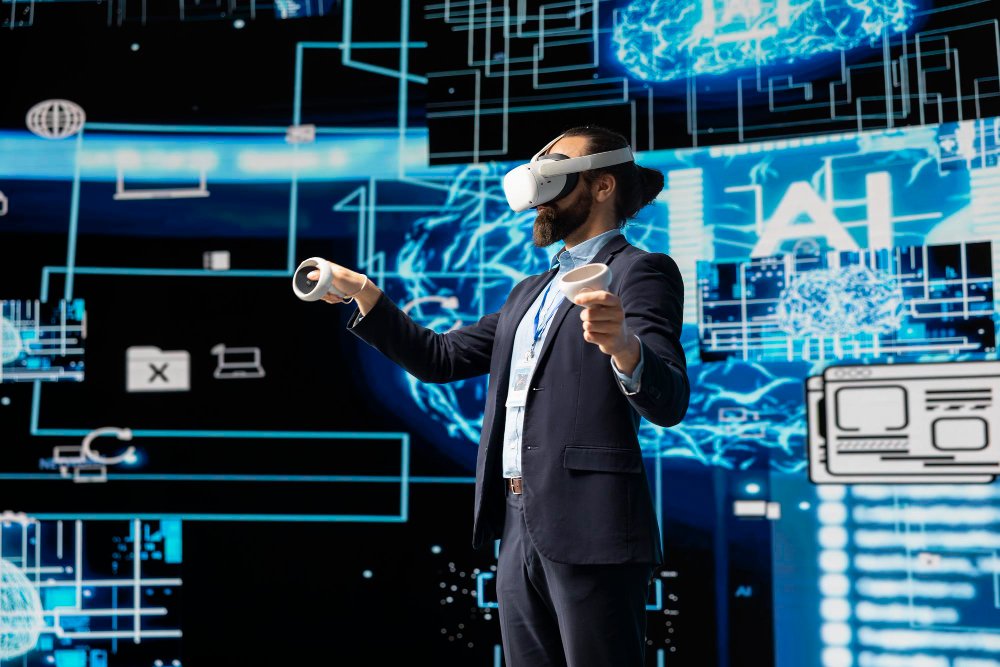
Spatial computing is moving beyond consumer-focused applications as businesses explore new ways to combine digital information with physical environments. Advances in augmented reality, virtual reality, mixed reality, sensors, and computer vision are creating opportunities across manufacturing, healthcare, education, retail, and professional services.
Manufacturers are using spatial technologies to visualize equipment, support maintenance activities, and train employees in simulated environments. Instead of relying exclusively on manuals or traditional training programs, workers can access digital instructions and three-dimensional information while interacting with physical equipment.
The technology is also attracting interest from enterprise design and collaboration teams. Engineers and architects can use immersive environments to review digital models, identify potential problems, and collaborate with colleagues in different locations.
Healthcare organizations are exploring spatial computing for medical education, visualization, rehabilitation, and clinical training. Retailers can use immersive experiences to help customers visualize products before making purchasing decisions.
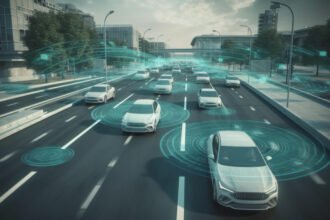
Artificial intelligence is further expanding the capabilities of spatial computing. AI-powered computer vision can help systems understand objects, environments, and user movements, enabling more responsive digital experiences.
Enterprise adoption will depend on factors such as hardware costs, employee training, data privacy, and integration with existing technology platforms. However, as devices become more capable and accessible, spatial computing could become an important component of workplace digital transformation.
Businesses that identify practical use cases rather than treating spatial computing solely as an emerging technology may gain opportunities to improve training, collaboration, productivity, and customer engagement.