
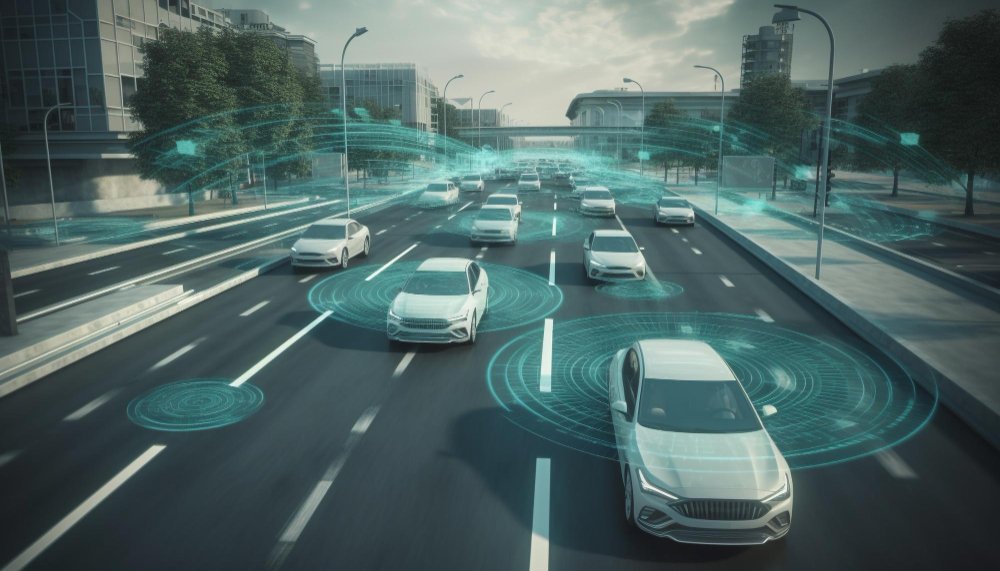
Autonomous vehicle technology continues to evolve as automakers, technology companies, and transportation providers invest in artificial intelligence, sensors, connectivity, and advanced driver assistance systems. The technology is gradually expanding beyond experimental projects and entering more practical transportation applications.
Modern autonomous systems combine cameras, radar, lidar, mapping technologies, and AI models to interpret road conditions and make driving decisions. These capabilities are being tested across passenger vehicles, delivery fleets, logistics operations, and public transportation.
Businesses are particularly interested in autonomous delivery and transportation because automation could improve efficiency and reduce the costs associated with repetitive driving tasks. Logistics companies are exploring autonomous systems for warehouses, ports, distribution centers, and controlled transportation routes.
Connected infrastructure is also expected to play an important role. Traffic signals, road sensors, and communication networks can provide vehicles with additional information about surrounding conditions.
Despite technological progress, widespread autonomous driving still faces challenges involving safety, regulation, infrastructure, insurance, and public acceptance.
The development of autonomous transportation is therefore likely to remain gradual, with adoption beginning in controlled environments before expanding to more complex road conditions.
As AI and sensor technologies improve, autonomous vehicles could become an increasingly important part of future transportation systems.